Employees’ health is one of the biggest pillars of every thriving company. Although most companies pay attention to preventing injuries and illness, truly protecting employees’ health in the long term requires a comprehensive approach. Discover the key steps to protecting your workers’ health effectively over the long term.
Preventing injuries and illness in the workplace
Preventing injuries and illness in the workplace is a key element of protecting employees’ health. Employers must bear in mind that workers’ health directly affects not only their well-being, but also their productivity and efficiency. That is why companies need not only to implement regular preventive measures, but also to actively assess and minimise the risks associated with the working environment. Prevention is a long-term process that combines several factors.
Employers should carry out a risk analysis regularly, mapping all the possible threats and dangerous situations in the workplace. This analysis should be part of the annual review of working conditions. The risks identified must then be minimised by adopting preventive measures, such as technical adjustments to the workspace, employee training and investment in protective equipment.
The right work equipment and a properly equipped workspace are the foundation of workplace safety. For example, employees who handle heavy loads should have suitable aids such as protectors and support belts and, where necessary, mechanical aids to make handling loads easier. The right work equipment not only protects against injuries, but also reduces the risk of long-term conditions such as joint or musculoskeletal pain. When working with electrical or chemical materials, personal protective equipment such as gloves, safety glasses, respirators and other equipment that minimises the chance of contamination or injury is essential.
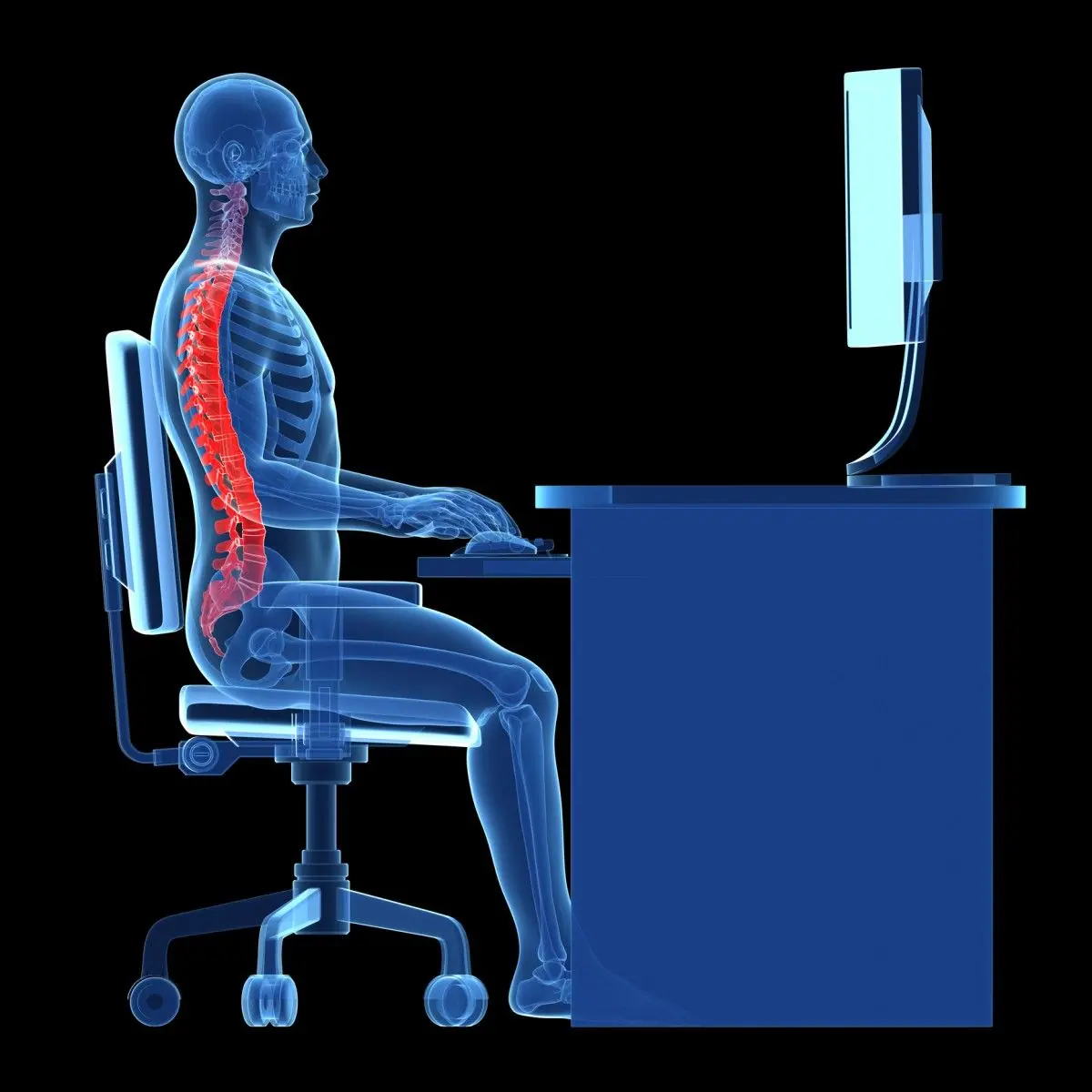
Ergonomic adjustments to workstations play a very important role in preventing injuries and illness. Sitting in unsuitable positions for long periods or badly set-up work tools can lead to chronic back, neck or shoulder pain. Ergonomic desks, adjustable chairs and correctly positioned monitors and keyboards can make a fundamental contribution to employees’ health. It is also important to train workers regularly in how to set up their working environment correctly and how to move properly during the working day to avoid unnecessary strain and fatigue.
Employers should also ensure regular supervision and review of the working environment. Even if a workspace looks safe at first glance, many risks can arise if it is not checked regularly. Slippery floors, poor lighting, unsuitable work tools or a lack of safety signs can lead to serious injuries. Regular supervision and checks of workspaces help detect potential hazards that could lead to injuries in time. For example, installing non-slip floor coverings or providing adequate lighting can prevent unnecessary falls and accidents.
At Rescue Group we provide comprehensive advice focused on injury prevention and choosing the right protective equipment. Based on the specifics of the work and the risk factors, we recommend suitable protective equipment and organise training for employees on how to use it correctly. Our team of experts focuses on the ergonomics of the working environment and regular monitoring of working conditions, to achieve optimal and safe conditions for employees. In this way we can help prevent injuries and illness, protecting the health and well-being of your employees.
Creating a healthy working environment
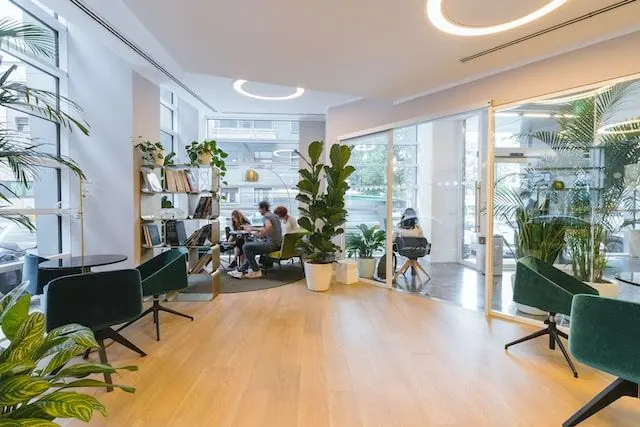
As well as individual measures to protect employees’ health, it is essential to pay attention to the working environment as a whole. A healthy working environment should allow employees to do their work efficiently and safely, without harming their physical or mental health. Employers should understand that the quality of the workspace has a direct impact on employees’ productivity, satisfaction and long-term health.
One of the main factors affecting employees’ well-being is air quality and ventilation. Inadequate ventilation can lead to a build-up of carbon dioxide, causing fatigue, reduced concentration and even headaches. Regular ventilation or effective air conditioning systems help maintain optimal air quality and contribute to higher work performance.
Another important aspect is the lighting of the workspace. Natural daylight has a positive effect on employees’ mood, concentration and biological rhythms. Offices should be designed to let in as much natural light as possible. Where this is not possible, it is advisable to use good-quality LED lighting with a natural colour temperature that does not strain the eyes or cause fatigue.
Controlling temperature and humidity is another factor that affects work performance. If the workplace is too hot or too cold, employees’ concentration falls and they become more irritable. The ideal temperature in offices should be between 21 and 24 °C, while in production halls it depends on the type of work being done. Air that is too dry can irritate the airways, so it is also important to pay attention to optimal humidity levels.
A well-designed workspace also has a significant psychological effect. When the working environment is clean, pleasant to look at and well organised, employees feel more comfortable and their motivation grows. Ergonomic adjustments such as height-adjustable desks, good-quality chairs and enough storage space help minimise stress and physical fatigue.
Reducing noise is also part of a healthy working environment. Excessive noise in the workplace can cause distraction, fatigue and, in the long term, increased stress. Acoustic panels, carpets and plants can help reduce noise levels, especially in open-plan offices.
Employers who invest in a healthy working environment can look forward not only to more satisfied employees, but also to lower staff turnover and sickness absence. People spend a large part of the day at work, so it is important that they feel good in their working environment. When employees have a comfortable, clean and safe setting, they can concentrate fully on their tasks, which has a positive effect on how the whole company functions.
Employee education and training
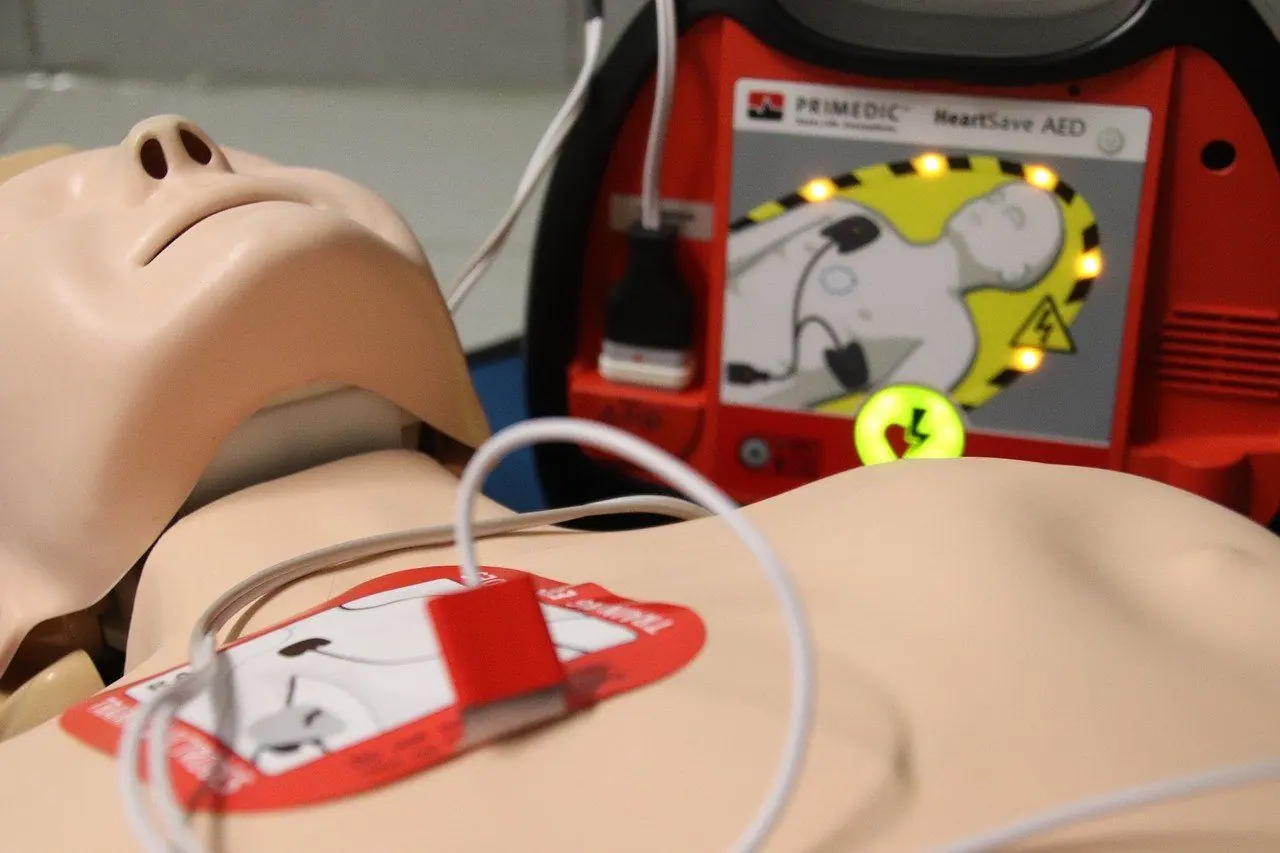
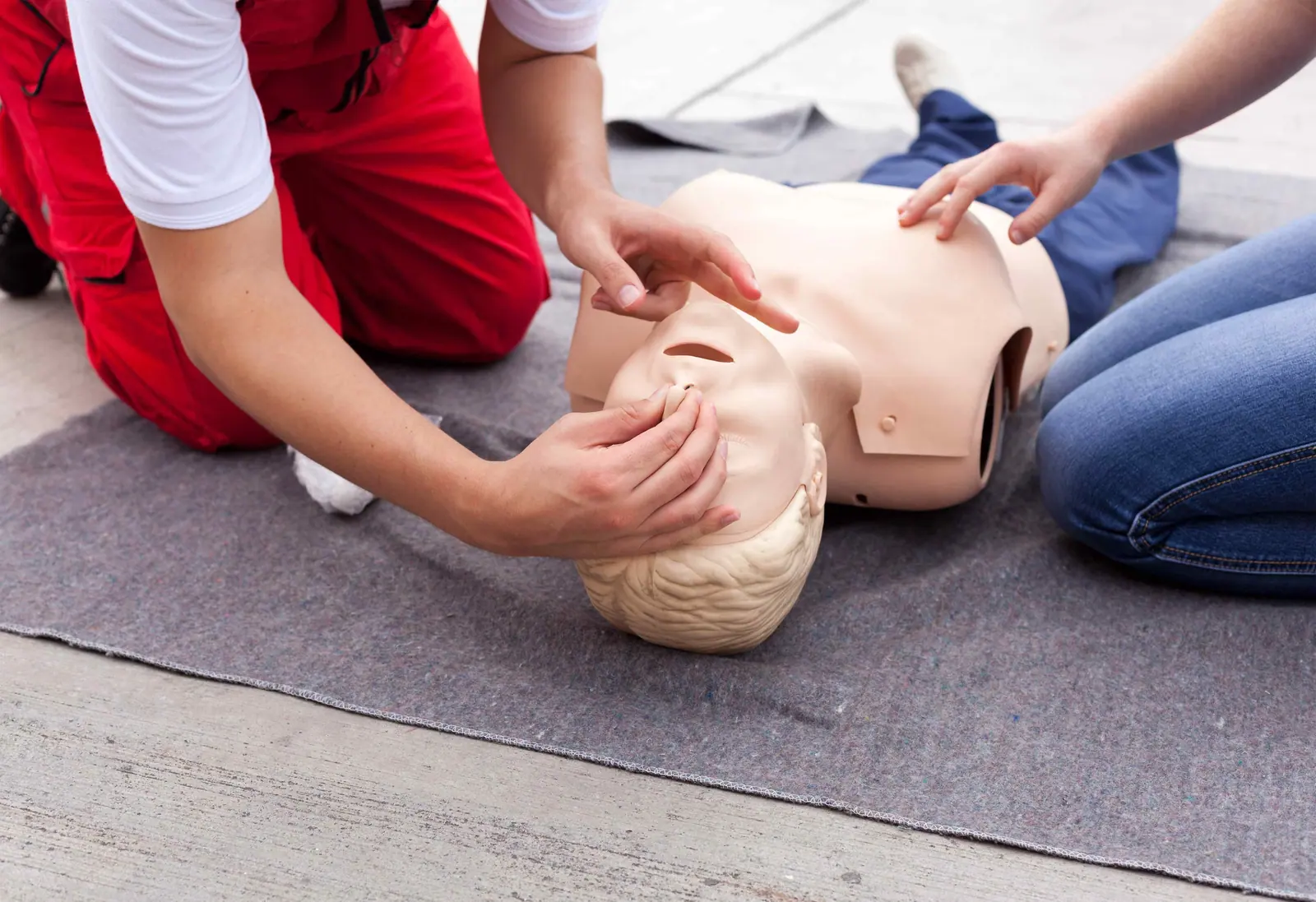
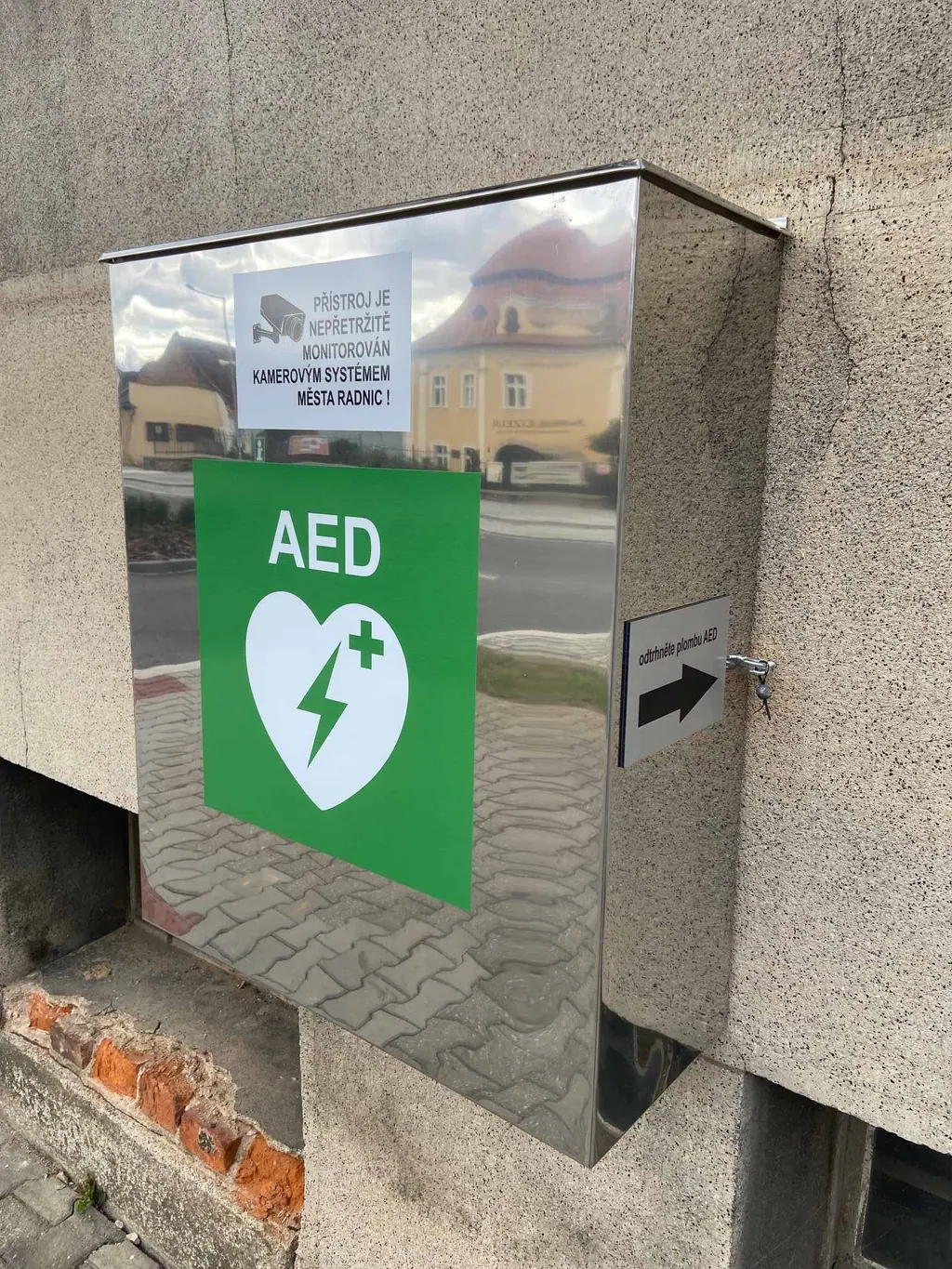
Basic preventive measures start with employees. Regular education in occupational health and safety (OHS) and fire protection (FP) should be an integral part of every company. Employees not only learn the principles of working safely, but also how to prevent risks and respond correctly in a crisis. Well-trained employees are better at preventing workplace injuries, minimising dangerous situations and giving first aid quickly, which increases the safety of the whole workforce.
At Rescue Group we offer comprehensive OHS and fire safety training tailored to the specific needs of each company. We focus on practical scenarios that employees may encounter and teach them how to identify high-risk places effectively and minimise possible dangers. Our training includes not only theoretical preparation, but also practical exercises that help participants gain confidence in real situations.
One of the key elements of safety education is also practising the correct response to an accident. Every employee should know what to do in a fire, an injury or another threat, so as to minimise damage and protect themselves and their colleagues. The training therefore covers, for example, first aid procedures, evacuation plans and the principles of safely handling hazardous substances or machinery.
For employers, it is important not only to provide good-quality induction training, but also to update employees’ knowledge regularly. Working conditions, technology and legislation are constantly evolving, so safety training should be renewed continuously. Periodic training, knowledge tests and practical simulations of crisis situations help maintain a high level of safety in the workplace.
Effective employee education in OHS and fire protection not only protects workers’ health, but also reduces the risk of workplace injuries, minimises the costs associated with accidents and increases the company’s overall productivity. Investing in good-quality training always pays off – not only in terms of safety, but also in the satisfaction and loyalty of employees, who feel protected and supported by their employer.
The benefits of OHS and fire safety training
- Regular OHS and fire safety training helps prevent workplace injuries.
- Employees learn to recognise high-risk places and respond correctly.
- Practical exercises increase confidence in dealing with crises.
- Good-quality training reduces the costs associated with accidents and lost working time.
- Regularly updating knowledge ensures safety even when conditions change.
- Effective safety education increases employees’ productivity and satisfaction.
- Investing in training contributes to a better company image and to protecting workers’ health.
What poses the biggest risk
Keeping employees healthy is key to their long-term performance and satisfaction. Yet many companies overlook factors that can have a negative impact on workers’ physical and mental well-being. Long hours at the computer, stress, poor working conditions or a lack of exercise – all of these can lead to chronic health problems, lower productivity and higher sickness absence. What are the most common threats to employees’ health and how can they be prevented?
| Factor threatening health | Impact on employees | Possible solutions |
|---|---|---|
| Poor ergonomics | Back and neck pain, fatigue, poorer concentration | Ergonomic chairs and desks, alternating sitting and standing, regular breaks |
| Long-term stress | Burnout, anxiety, lower productivity, health complications | Stress management workshops, an open company culture, mental health support |
| Lack of exercise | Higher risk of obesity, diabetes and heart disease | Sports benefits, company exercise challenges, active breaks during the day |
| Poor working conditions | Fatigue, headaches, reduced concentration | Adequate lighting, ventilation and temperature control |
| Lack of sleep | Reduced concentration, weakened immunity, higher risk of mistakes | Support for work–life balance, flexible working hours, the option to work from home |
Reviewing the working environment
Ensuring optimal working conditions is key to employees’ well-being and their long-term effectiveness. Although many organisations implement basic safety measures, they often neglect the importance of regularly reviewing the working environment. These reviews are essential not only for legal compliance, but also for identifying and eliminating potential threats that can affect employees’ health, such as the risks associated with inefficient organisation of work or unsuitable work processes. A regular review of the working environment is a key tool for ensuring workers’ long-term protection and overall well-being.
- Working environment reviews – reviews of the working environment are essential for preventing injuries, illness and incapacity for work. Regular checks help identify potential hazards that could endanger employees’ health and allow timely action to remove them.
- Technical inspections – regular checks of machinery, equipment and electrical wiring help prevent breakdowns and minimise the risk of injuries. An important part of inspections is also checking fire protection equipment, fire extinguishers, emergency exits and electrical circuits. Keeping this equipment in good condition is key to protecting employees from serious accidents.
- Ergonomic reviews – ergonomic reviews of the working environment focus on setting up workstations, chairs, monitors and other work equipment correctly. Incorrect settings can lead to problems with the spine, eyes and muscles, which can cause long-term health problems and lower productivity. Reviews should include recommendations on the optimal desk height, chair settings and monitor distance.
- Hygiene reviews and indoor climate – hygiene conditions and the quality of the indoor climate in the workplace have a significant effect on employees’ health. Inadequate ventilation, unsuitable lighting or extreme temperatures can worsen concentration and cause fatigue and health problems. Checks of air, temperature, humidity and lighting should be part of regular reviews to ensure an optimal working environment.
- Psychological and social factors – the working environment should also be assessed in terms of employees’ mental health. Long-term stress, poor working relationships or high work demands can lead to burnout, anxiety or depression. A regular review should take these factors into account too and help create a supportive working environment where employees feel motivated and safe.
- Regular monitoring and training – reviews of the working environment should be carried out regularly, ideally at least once a year, and also whenever working conditions change, new technologies are introduced or other changes occur. This also includes regular employee training focused on injury prevention, safety at work, health and mental well-being. Employees should also be trained in crisis situations and in using protective equipment.
How Rescue Group can help
At Rescue Group we specialise in providing comprehensive advice and carrying out regular reviews of the working environment with the aim of improving the safety and health protection of your employees. Our experts, with many years of experience, will help you assess your workspace in detail, identify potential risks and propose specific measures that contribute to a safe, healthy and productive working environment.
We carry out thorough analyses of the workspace, including assessments of technical, ergonomic and hygiene factors. As part of technical inspections, we check machinery, electrical systems and fire protection equipment to make sure everything complies with the applicable standards and to minimise the risk of accidents and injuries.
After the inspection, our experts will give you detailed reports with specific recommendations for improving working conditions. Based on the risks identified, we will propose effective measures to help you achieve a higher level of safety. This includes not only recommendations for technical changes, but also adjustments to workspaces that can significantly improve your employees’ health and reduce sickness absence.
As well as regular reviews, we also provide training focused on safety at work, injury prevention and crisis situations. Our experts will teach you how to recognise and deal with potential risks in the working environment effectively, how to use protective equipment correctly and how to act in an emergency. We also emphasise stress prevention and the supporting factors that affect your employees’ mental health.
Regular reviews of the working environment are a long-term investment that brings concrete results. Prevention and a properly set-up workspace not only protect your employees’ health, but also increase their satisfaction and motivation. Safe and pleasant working conditions are the foundation of every company’s long-term success, leading to lower sickness absence, higher productivity and overall stability of the team.
If you are interested in advice, inspections or training focused on health and safety at work, do not hesitate to contact us. Our aim is to make sure your working environment is not only efficient, but above all safe and healthy for all employees, leading to better results and long-term satisfaction at work.

Effective strategies for protecting health at work
Creating a healthy working environment is not a one-off process, but a long-term commitment that brings benefits not only to employees, but to the whole company. Investing in injury prevention, better working conditions and mental health support leads to less incapacity for work, more satisfied employees and higher productivity. Companies that actively look after their people’s health see lower staff turnover and a better company culture.
Preventing injuries and illness, regular training, ergonomic adjustments to the working environment and support for a healthy lifestyle are key elements of long-term success. Protecting employees’ health should be seen as a strategic priority that strengthens the company’s stability and competitiveness.
At Rescue Group we believe that a healthy workplace is the foundation of every company’s success. That is why we offer a wide range of training and expert advice on safety at work and injury prevention. Our aim is to help you create working conditions that minimise health risks while supporting your employees’ performance and satisfaction.
If you would like more information about prevention in the workplace or want to set up training for your employees, do not hesitate to contact us.